
When Marcus first heard a friend talk about cannabis concentrates, he pictured a product that looked almost identical to dried flower but came in a smaller package. A quick search showed him something quite different: waxy textures, sticky oils, glass-like pieces, and products with THC levels far above those commonly found in traditional flower. The variety was surprising, and so were the questions that came with it. Marcus wanted to understand what these products were, how they differed, and why their strength and potential risks deserved closer attention.
What Are Cannabis Concentrates?
Cannabis concentrates are products made by separating or concentrating certain compounds from the cannabis plant. These compounds can include cannabinoids, such as THC and CBD, as well as aromatic compounds called terpenes.
The goal of concentration is to produce a material with a higher proportion of selected cannabis compounds than is generally found in unprocessed plant material. Depending on the method used, the result may have a liquid, sticky, waxy, crumbly, or solid texture.
Concentrates can look very different from one another, and appearance alone does not reveal their potency, purity, or overall quality. Two products that look similar may have different chemical profiles, while products that look completely different may contain similar levels of particular cannabinoids.
Concentrates are also distinct from cannabis oils and extracts used in some regulated medical products. The terminology can overlap, so reading the product description and label is more useful than relying on a name alone.
Common Types of Cannabis Concentrates
Cannabis concentrates are often grouped by their texture, production method, or intended format. The names can vary between producers and markets, but several categories appear frequently.
Wax
Wax is a concentrate with a soft, wax-like consistency. Its texture can range from relatively firm to creamy, depending on its composition and production process. The name describes its appearance rather than providing a reliable indication of potency or purity.
Shatter
Shatter is typically a hard, glass-like concentrate that can break into pieces. Its translucent appearance is one reason it is easy to recognize in product photos. However, a glassy texture does not prove that a product is stronger or cleaner than another concentrate.
Live Resin
Live resin is generally made using cannabis material that has been frozen soon after harvesting. This approach is intended to preserve more of the plant’s aromatic compounds, including terpenes. It is often discussed in relation to aroma and flavour, but the exact chemical profile depends on the source material and production process.
Rosin
Rosin is a concentrate produced through a mechanical process involving heat and pressure rather than the use of added chemical solvents during extraction. The term describes a production approach, not a guarantee that every product is free of contaminants or otherwise suitable for every consumer.
Oils and Other Extracts
Cannabis oils and other extracts vary in consistency and composition. Some are formulated for specific product formats, while others are sold as concentrates. Their cannabinoid content and intended use can differ considerably, making the label especially important.
These categories are useful for understanding the market, but they should not be treated as a ranking system. A product’s name or texture cannot independently establish its safety or quality.
How Concentrates Differ From Cannabis Flower
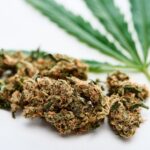
The main difference between concentrates and dried cannabis flower is the proportion of selected compounds. Concentrates can contain substantially higher levels of THC than traditional flower, although the actual amount varies by product.
Higher potency changes the risk profile. A small amount of a concentrated product can deliver a much larger THC exposure than someone might expect based on experience with flower. This can increase the likelihood of severe intoxication, anxiety, panic, confusion, impaired coordination, and other unwanted effects.
Concentrates may also differ in how they are consumed. Some are associated with vaporization or other methods that heat the material, while oils and extracts can appear in other regulated product formats. The method of use can affect how quickly effects begin and how long they last.
It is important not to assume that a product is safer simply because it is more refined, more expensive, or marketed as premium. Processing can change a product’s composition, but it does not remove every potential risk associated with THC.
Understanding THC, CBD, and Terpenes
Knowing the main compounds found in cannabis can help explain why concentrates attract attention and why their effects vary.
THC is the principal intoxicating cannabinoid in cannabis. It can alter perception, memory, attention, coordination, and judgment. Concentrates with high THC levels can increase the risk of unwanted effects, particularly for people with limited experience or a low tolerance.
CBD is another cannabinoid, but it does not produce the same intoxicating effect as THC. However, CBD is not automatically risk-free and can interact with certain medications.
Terpenes are aromatic compounds found in cannabis and many other plants. They contribute to the scent and flavour of different products. Some concentrate descriptions highlight terpene profiles to explain why a product smells citrusy, earthy, herbal, or pine-like. Research into how terpenes may affect the overall cannabis experience is ongoing, so specific effects should not be assumed from aroma alone.
Together, these compounds help describe a concentrate’s chemical profile. They do not provide a complete prediction of how a particular person will respond.
What to Look for When Reading Product Information
Product research should go beyond colour, consistency, or promotional claims. A useful label or description should provide information that helps you understand what the product contains.
Look for:
- THC and CBD content: Check the stated amounts and units rather than assuming that all concentrates have similar potency.
- Product type: Determine whether the item is wax, shatter, resin, rosin, oil, or another extract.
- Ingredients and additives: Review the listed contents and relevant warnings.
- Producer and package information: Look for traceable details and information required by the applicable regulations.
- Testing information: Where available, review credible laboratory data relating to cannabinoid content and contaminants.
- Legal status: Verify that the retailer and product are authorized under the rules that apply in your location.
Be cautious of claims that a concentrate is completely safe, guaranteed pure, or certain to produce a particular experience. A polished product page is not a substitute for reliable testing and transparent information.
For an overview of cannabis product categories, Cannabis concentrates explained can serve as a starting point for further research. Before making any purchase decision, independently verify the seller’s legal authorization in your province or territory and review official health guidance.
Potential Risks and Responsible Storage
Concentrates deserve particular caution because their high THC content can make it easier to consume more than intended. Strong intoxication can affect decision-making and coordination, while some people may experience intense anxiety or paranoia. Frequent cannabis use, especially involving high-THC products, can also increase the risk of developing cannabis use disorder.
Cannabis may carry additional risks for young people, pregnant or breastfeeding individuals, and people with certain mental health conditions. Anyone taking medication or considering cannabis for a health concern should consult a qualified health professional.
Never drive or operate machinery while impaired, and avoid combining cannabis with alcohol or other intoxicating substances. Store concentrates in their original, secure packaging, out of reach of children and pets. Their compact size can make them easy to overlook, so secure storage is particularly important.
For Canadian readers, Health Canada’s cannabis health information explains known health risks and considerations.
Building a Better Understanding of Concentrates
Cannabis concentrates are a broad group of products with different textures, production methods, chemical profiles, and potential risks. Understanding the terminology makes it easier to interpret product descriptions, but the name alone cannot establish potency, purity, or suitability.
The most useful approach is to focus on verified product information, understand the significance of THC and CBD levels, question exaggerated marketing claims, and follow applicable laws and health guidance. Concentrates are not automatically better because they are more potent or processed, and a premium label should never replace careful evaluation.
When learning about cannabis concentrates, would you find it more helpful to understand the different extraction methods, the meaning of THC levels, or how concentrates compare with traditional cannabis flower?
Medical Disclaimer:
The information provided in these blog posts is intended for general informational and educational purposes only. It is not a substitute for professional medical advice, diagnosis, or treatment. Always seek the advice of your physician or other qualified healthcare provider with any questions you may have regarding a medical condition. The use of any information provided in these blog posts is solely at your own risk. The authors and the website do not recommend or endorse any specific products, treatments, or procedures mentioned. Reliance on any information in these blog posts is solely at your own discretion.