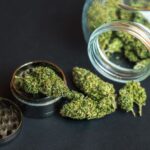

When Chris began researching cannabis, one piece of advice kept coming up: indica was for relaxing, while sativa was for staying energized. It sounded simple enough until Chris started comparing product descriptions. Some products combined both types, others highlighted different cannabinoid levels, and many promised effects that seemed to overlap. The more Chris read, the clearer it became that understanding cannabis required looking beyond two familiar labels.
What Do Indica and Sativa Actually Mean?
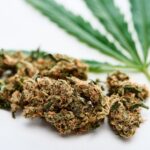
Indica and sativa are traditional terms used to describe cannabis plants. Historically, the names have been associated with differences in plant structure, growth patterns, and geographic origins.
Indica-type plants are often described as shorter and bushier, with broader leaves. Sativa-type plants are generally described as taller, with narrower leaves. These characteristics can help explain differences in plant appearance, but they do not reliably predict how a particular cannabis product will affect someone.
Modern breeding has created many hybrids that combine genetics from different cannabis varieties. As a result, the labels found on product pages are often broad classifications rather than precise descriptions of a plant’s genetics or chemical composition.
For consumers, this distinction matters. An indica label does not guarantee relaxation, and a sativa label does not guarantee increased energy or concentration. The names can provide a starting point for research, but they should not be treated as promises about the experience a product will produce.
Why Indica Is Often Associated With Relaxation
Indica products are frequently marketed as calming or suitable for evening use. Some consumers report feeling relaxed or sleepy after using certain products, but individual experiences vary.
Cannabis effects depend on several factors, including the product’s THC and CBD content, the amount consumed, the method of consumption, a person’s previous experience, and individual differences in biology. Sleep, mood, medications, and surroundings can also influence the response.
THC is the main intoxicating compound in cannabis. Products with higher THC levels can increase the likelihood of impairment, anxiety, panic, confusion, and other unwanted effects. CBD does not produce the same intoxicating effect as THC, although it can still affect the body and interact with some medications.
Rather than relying entirely on an indica label, look at the product’s stated cannabinoid content and warnings. A product marketed for relaxation can still cause an uncomfortable experience, and no label can guarantee how an individual will feel.
Why Sativa Is Often Linked to Energy
Sativa products are commonly described as uplifting, stimulating, or suitable for daytime use. Some people describe their experiences in these terms, but the label alone cannot predict whether someone will feel energized, sleepy, anxious, or impaired.
THC content is an important consideration because THC can affect memory, attention, reaction time, coordination, and decision-making. These effects can interfere with everyday activities even when a product is marketed as energizing.
There is no reliable rule that makes sativa products appropriate for driving, working, studying, or other activities that require concentration. Cannabis can impair performance regardless of whether the product is labelled indica, sativa, or hybrid.
Anyone who uses cannabis should avoid driving or operating machinery while impaired. Product descriptions and strain names are not reliable ways to determine whether someone is safe to perform these activities.
What Are Hybrid Cannabis Products?
Hybrid products come from cannabis plants bred using different genetic backgrounds. They may be described as indica-dominant, sativa-dominant, or balanced hybrids.
These terms can help organize product catalogues, but they do not provide a precise measurement of expected effects. An indica-dominant hybrid is not guaranteed to cause sleepiness, just as a sativa-dominant hybrid is not guaranteed to produce an uplifting experience.
When comparing hybrid products, pay attention to the information available about the specific item. This may include THC and CBD levels, product format, ingredients, and other details supplied by the producer.
Some products also provide information about their terpene profile. Terpenes are aromatic compounds found in cannabis and many other plants. They contribute to scents and flavours that may be described as citrusy, earthy, herbal, or pine-like. Researchers continue to study whether terpenes influence cannabis effects, but aroma alone cannot establish how a product will affect someone.
Even detailed chemical information cannot predict every individual’s response. The best approach is to use product information as a reference rather than a guarantee.
How to Compare Cannabis Products More Effectively
Learning to evaluate product information can help you look past marketing language and understand what a label actually tells you.
Here are several factors worth reviewing:
- THC and CBD levels: Check the stated amounts and units. Higher THC content can increase the likelihood of unwanted effects and impairment.
- Product format: Dried flower, oils, edibles, and concentrates differ in composition and how their effects begin and last.
- Ingredients and warnings: Read the full label instead of relying on the strain name or a short promotional description.
- Producer information: Look for clear, traceable details and applicable product information.
- Health and safety claims: Be cautious of promises that a product will reliably improve mood, sleep, focus, or other health outcomes.
- Legal authorization: Verify that the seller is permitted to offer cannabis products where you live.
For an overview of cannabis product categories, Indica and sativa differences can serve as a starting point for further research. Before making any purchase decision, independently verify the retailer’s legal authorization in your province or territory and consult official health information.
Health Canada’s cannabis health info explains the potential short-term and long-term effects of cannabis, including impairment, anxie
Medical Disclaimer:
The information provided in these blog posts is intended for general informational and educational purposes only. It is not a substitute for professional medical advice, diagnosis, or treatment. Always seek the advice of your physician or other qualified healthcare provider with any questions you may have regarding a medical condition. The use of any information provided in these blog posts is solely at your own risk. The authors and the website do not recommend or endorse any specific products, treatments, or procedures mentioned. Reliance on any information in these blog posts is solely at your own discretion.